


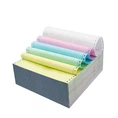
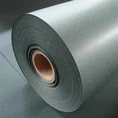
Printing Thermal Paper
Why Choose Us
Reliable Product Quality
As a trusted manufacturer of high-quality paper products in China, we take pride in introducing our latest innovation. We guarantee the highest quality and most competitive prices.
Rich Experience
After more than ten years of development, it has strong technical and perfect product reserves, forming the concept of serving customers. At present, we have 3 coating production lines with an annual output of 10,000 tons.
Environmental Sustainability
At our company, we have a deep commitment to eco-friendly, cost-effective paper production, and our products are where that mission comes to life.
Excellent Customer Service
We are known for their excellent customer service. They are responsive to customer inquiries and concerns, ensuring that their customers have a positive experience.
What is Printing Thermal Paper
Printing thermal paper is a type of paper that is coated with a special layer that reacts to heat, causing an image or text to be printed without the use of ink or toner. When exposed to heat from the thermal print head of a printer, the coating on the paper changes color, producing the desired output. This type of paper is commonly used for printing receipts, tickets, labels, and other applications where a fast and reliable printing method is required. It is also known as thermal receipt paper, thermal printing paper, or thermal transfer paper.


Advantages of Printing Thermal Paper
Quality Printing
One of the notable features of printing thermal paper is that it processes printing in conjunction with heat transmission. It directly uses heat as its primary source to print images on paper. Businesses no longer need ink or ribbons to produce printing outputs.
Leaves No Smudges
Unlike ink cartridges and ribbons that often leave smudges after printing, printing thermal paper produces high-definition and smudge-free print for receipts.
Helps Streamline Business Operations
As the paper doesn't use any ink, handheld devices such as pin and chip units can be used in combination with printing, giving faster workflows.
Faster Print Processing
Along with clear and smudge-free printing, printing thermal paper benefits businesses with faster printing times than the usual receipt paper.
Reduces Printing Cost
Printing thermal paper is less expensive than other paper used for printing, which means reduced printing costs. Businesses can find reliable thermal paper roll suppliers on the Internet.
Types of Printing Thermal Paper
01
Thermal Printing Paper Roll
For those who are not familiar with thermal printing, it is a technology that uses heat to print images and text on paper. Thermal printing paper rolls are used in a variety of applications, including point of sale systems and label printers. Unlike traditional printing methods, thermal printing does not require ink cartridges, toner, or ribbons. Thus, it is an economical and efficient way to print.
02
Printed Thermal Ppaer
Our printed thermal paper is made of high-quality materials that ensure it offers exceptional performance and durability to our customers. It is compatible with most thermal printers in the market, making it a versatile and convenient option for merchants who need to print receipts, tickets, labels, and other types of documents on a regular basis.
03
Medical Thermal Paper
One of the most important aspects of Medical Thermal Paper is its ability to deliver high-quality images. This product is designed to produce sharp, clear, and high-contrast images that are perfect for printing out medical records, charts, and other important documents.


The material used for printing thermal paper primarily consists of two layers: the base layer and the thermal coating layer. The base layer is typically made of paper or plastic material, such as polyethylene or polypropylene. This layer provides the structure and stiffness of the thermal paper. The thermal coating layer is composed of a mixture of chemicals, including leuco dyes and developers. When heated, these chemicals react to produce a color change that forms the printed image. This layer is heat-sensitive and requires no ink or toner to create an image. Thermal paper may also contain additional layers, such as adhesive layers or protective coatings, to enhance its properties. However, the base layer and thermal coating layer are the main components responsible for the printing function of thermal paper.
Application of Printing Thermal Paper
Tickets
Whether it's for a movie or a concert, most tickets are printed on thermal paper. The process is quick, which is especially beneficial when dealing with long lines in the box office.
Receipts
Printing thermal paper is widely used for receipts, including at grocery stores, retail stores, gas stations, and restaurants. The receipts print quickly and are easy to read because of the crisp printing.
Labels
In logistics and shipping, printing thermal paper is often used to create shipping labels, barcodes, and product labels.
Medical Imaging
In the healthcare industry, printing thermal paper is used in certain kinds of medical devices, such as ultrasound machines, ECG machines, and patient monitoring systems to produce instant reports and images.
Components of Printing Thermal Paper
Base Paper
The process of making printing thermal paper starts from ordinary paper (offset paper). This base paper, like any other regular paper, is made from wood pulp. Numerous compounds are then layered on this paper to make it suitable for thermal printing.
Pre-coat
A layer of pre-coat is applied on the regular paper to enhance its heat retention capability. Not just that, pre-coat also makes the final paper smooth and durable, therefore adding to its quality.
Thermal Coat
This is the most important part of making printing thermal paper. Here, the thermal coat comprises more than a dozen chemical compounds that react to the heat to produce prints. Leuco dyes, developers, and sensitizers are the primary resources in thermal coat to generate what we see as a print.
How Does Printing Thermal Paper Work
Direct Thermal Printing
This is the most commonly adopted style of thermal printing. Here, a heated printhead is directly placed over the thermal paper. Upon contact with the heated printhead, the thermal ink in the paper gets activated. What we see then is an image or a text generated from this ink.
Thermal Transfer Printing
Another way to print material on a printing thermal paper roll is to use a wax-coated ribbon. Here, the printhead, instead of pressing the heated printhead directly on the paper, is pressed on an ink ribbon that is coated with wax. This type of thermal printing produces high-quality prints and can even be used to print material in multiple colors. Additionally, the prints created from thermal transfer printing are usually highly durable and less likely to fade over time.

Printing thermal paper and customary paper are two distinct kinds of paper that are generally utilized in different ventures. Warm paper is a sort of paper that is covered with an extraordinary material that changes tone when it is presented to warm. Then again, ordinary paper is a kind of paper that isn't covered and is regularly utilized for printing reports.
One of the principal distinctions between printing thermal paper and ordinary paper is their use. Warm paper is generally utilized for printing receipts, tickets, and names, while normal paper is utilized for printing records, books, and magazines. This is on the grounds that warm paper is more solid and can endure unforgiving conditions like water, intensity, and daylight.
One more contrast between the two sorts of paper is the printing system. Printing thermal paper requires an exceptional sort of printer that utilizations intensity to move the picture onto the paper. Customary paper, then again, can be printed utilizing any sort of printer.
Printing thermal paper is additionally more costly contrasted with customary paper. This is on the grounds that the creation cycle of warm paper is more perplexing, and it requires extraordinary materials and gear.
As far as natural effect, customary paper is more eco-accommodating contrasted with printing thermal paper. Printing thermal paper contains synthetic substances that can be hurtful to the climate, and it can't be reused. Standard paper, then again, can be reused and is produced using maintainable sources.
How to check Printing Thermal Paper


Scratch with Your Fingernail
Scratching with your fingernail is the easiest way to determine whether a paper is thermal. Since printing thermal paper has a chemical coating on the surface, it generates heat when you scratch it. As a result of the heat, the paper will produce black marks. To determine whether you have genuine thermal paper, it would help to try the scratch test on both sides of the paper. If none turn black, then you most likely have regular paper. On the other hand, if your scratching results in black marks, that is printing thermal paper.
Observe and Feel the Paper Surface
Observing or feeling the paper surface is another way to determine whether a paper is thermal or regular. Printing thermal paper typically has a shinier and smoother surface than other paper types like carbonless and bond paper. However, this is not always a foolproof way to determine whether a paper is thermal. That’s because some types of bond paper are just as smooth and shiny.
Fire Roasting
Another neat trick is heating the back of the printing thermal paper. Use a lighter to roast the back lightly, and if it changes color and gradually fades to its surroundings, it is thermal paper.
Test the Paper on Thermal Printer
Using a printing thermal printer is another great way to identify thermal paper. Thermal printers produce text or images on thermal paper without using ribbons. Using regular paper in a thermal printer will not produce any results.
How Printing Thermal Paper Can Help Improve Efficiency and Accuracy in Restaurant Operations
Printing thermal paper is an essential tool in the restaurant industry. It is a type of paper that does not require ink or toners to produce a printed image, making it faster and more cost effective than other traditional printing methods. Thermal papers are also more reliable as they do not fade or smear over time, resulting in clearer images that are easier to read. In addition, they can help reduce human errors when creating orders and processing payments by providing an automated record of all transactions made throughout the day. This improves accuracy helps streamline operations, and ensures customers receive accurate bills on time, leading to better customer satisfaction. Printing thermal papers are also significantly more environmentally friendly than traditional printing methods as they do not require ink or toners. This makes them a great sustainable option for businesses looking to reduce their carbon footprint. Overall, printing thermal paper is an economical and effective solution for restaurant operations that help restaurants improve their efficiency, accuracy, and sustainability goals simultaneously.
How to Measure Printing Thermal Paper Roll Size
Knowing the correct printing thermal paper roll size is the first step in selecting and using it in your printer. If you know the model of the receipt printer, you can Google the receipt printer model, you can usually get exactly what products (paper rolls, printer ribbons, cleaning supplies, etc.) are compatible. If that isn't available, the paper roll size can be obtained using these four measurements
Width
Use a ruler, measure across the face of the roll from side to side
Length
The length or amount of paper wound on the roll

Diameter
From edge to edge of the thermal roll going directly through the center spindle hole in the roll
Core size
The diameter of the tube on which the thermal paper is rolled.
Tips for Storing Printing Thermal Paper
Near the Window/Lit Place: The printing thermal paper is heat-sensitive, so it will turn yellow if placed near direct sunlight or a lit place for prolonged periods. Similarly, printed images will fade in such conditions. Further, thermal paper exposed to direct sunlight will lose its shape and start unwinding. For these reasons, storing printing thermal paper away from lit places and near windows is a great tip to keep receipts from fading. The best thermal paper recommended is the 3 1/8″ thermal paper rolls that withstand almost any condition, as well as Thermal Paper Rolls 21/4″ is also recommended. So, it would be great if one could opt for it.
In a Humid Place Room: Like any other paper, printing thermal paper will absorb moisture and get ruined if exposed to moisture for long periods. It would help to keep humidity levels to a maximum of 45-65%, as anything above will destroy the paper.
Near Oils and Liquids: If you’ve ever wondered how to keep receipts from fading, one tip would be to store them away from oils and liquids. Oil reacts with the paper coating, causing discolouration. On the other hand, liquids degrade the paper, compromising its quality and rendering it unusable.
Inside Your Car: Storing printing thermal paper in cars exposes it to its mortal enemies: sunlight and heat. Since a vehicle parked under the sunshine can hit 116° F, this is well beyond the maximum allowable 77° F. Further, you may expose the paper to direct sunlight, destroying the upper covering and causing it to turn grey, black, or fade. Storing it in the trunk is no option, as the temperatures are just as high.
In the Kitchen: Your kitchen is full of hazards that can easily destroy printing thermal paper. In addition to the high temperature, which has the same effect as direct sunlight exposure, open flames can burn the paper. Most kitchens have cleaning fluids that contain chemicals, which can cause undesirable reactions with the top coating, ruining the thermal paper.
In Walk-In Coolers: Sure, most manufacturers recommend storing printing thermal paper in cool places, but that does not include walk-in coolers. That’s because walk-in coolers typically have higher humidity than is recommended. In addition, coolers undergo temperature fluctuations, causing humidity inconsistency and causing the paper to get damp, leading to paper jams and shortened lifespans.
High-Temperature Place: High-temperature places will cause the thermal paper to lose shape, fade, and turn grey or black. That’s because the printing thermal paper is sensitive to high temperatures, causing it to change its properties. The same applies to places with high frictional forces, such as fingernails, that can cause heat. Moreover, pressure from metal surfaces may have the same effect.
Next to Organic Solvent: Another way to keep receipts from fading is to avoid storing thermal paper next to solvents. These include liquids such as: Alcohol. Cleaning fluids. Acetone. Benzene. Chloroform
These products will penetrate the paper and rob it of its surface color. Organic solvents will remove any printing thermal paper prints, which can be disastrous if exposed to paper with important information, such as exact credit card details.
In Dusty Places: Dusty places will rob your paper of its protective shield and make it lose its sheen. It will form a dust layer that will interfere with your printer and cause abnormal printing.
The Benefits of Using Printing Thermal Paper in Restaurants
The same benefits of printing thermal paper are vast. It is a cost-effective and efficient way to print customer receipts quickly and accurately. Printing thermal paper is also more durable than regular paper, as it doesn’t require ink or toner for printing. This makes it the ideal choice for restaurants that need to keep track of their transactions during large rushes of customers. In addition, the prints produced by thermal receipt paper are clear and legible throughout their life span due to the special coating on the top layer that ensures no smudging or fading occurs over time. In addition to all these benefits, thermal papers have tight, secure rolls, making them very resistant to dust particles or other contaminants. This makes it the perfect choice for restaurants that handle a large volume of customer transactions each day. Printing thermal paper is also very economical in terms of cost, as it can be bought in bulk at discounted prices.
Certifications


Our Factory
Shandong Sishui Deyi Industry and Trade Co., Ltd. was established in July 2006. After more than ten years of development, it has strong technical and perfect product reserves, forming the concept of serving customers. Customer first, quality first. At present, we have 3 coating production lines with an annual output of 10,000 tons. The company also produces and processes cash register paper and multifunctional office paper. About 200 containers are exported every year, and the products include roll carbon-free paper, carbon-free cash register paper, thermal cash register paper, A3/A4 multifunctional office paper, etc.

Ultimate FAQ Guide to Printing Thermal Paper
We're professional printing thermal paper manufacturers and suppliers in China, specialized in providing high quality products with low price. We warmly welcome you to buy cheap printing thermal paper in stock here from our factory.
thermal receipt paper recyclable, fanfold adhesive thermal paper, direct thermal sticker