Thermal Receipt Paper vs. Carbonless Duplicate Paper: What's the Difference?
Feb 06, 2025
Leave a message
Thermal Receipt Paper vs. Carbonless Duplicate Paper: What's the Difference?
Have you ever received a printed receipt when shopping, dining out, or filling up your car with gas? The text on these receipts is clear and visible, and the printing process doesn't require ink or toner. But do you know what kind of material these receipts are printed on? Today, let's delve into the differences between thermal receipt paper and carbonless duplicate paper, two common types of receipt paper that may seem similar but are actually quite different. If you've ever been puzzled by them in daily life, keep reading to find out their differences and the pros and cons of each.
Thermal Receipt Paper: Direct Heat Printing, Convenient and Eco-Friendly
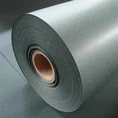
Let's start with thermal receipt paper, which you may have seen in supermarkets, restaurants, or gas stations. You'll notice that the printing is very clear and doesn't require traditional ink or toner. Instead, it uses heat to "print" text or images directly onto the paper. This paper has a special thermal coating that quickly undergoes a chemical reaction when heated, revealing the printed content. During printing, the thermal printer heats the corresponding areas, and the text appears.
The advantage of thermal receipt paper is that it eliminates the need for traditional printing consumables such as ink, toner, and cartridges, reducing equipment maintenance and printing costs. Additionally, since there is no ink, there is virtually no odor when using it, and the printed receipts do not have the risk of ink penetration, keeping them clean and tidy. For businesses that need to print receipts quickly, this is a time-saving and labor-saving choice.
Carbonless Duplicate Paper: No Ink, Copying by Pressure
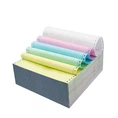
Next, let's look at carbonless duplicate paper. As the name suggests, the key feature of carbonless duplicate paper is that it doesn't require carbon paper. It has a special coating and paper structure that provides a pressure-sensitive layer on the surface. When you write on the paper, the pressure from the pen tip causes the content on the upper layer of paper to be transferred to the lower sheets. In this way, one writing action can simultaneously copy the content onto two or more sheets of paper, which is widely used in invoices, orders, and receipts.
The advantage of carbonless duplicate paper is that it can achieve multiple copies without the need for ink or a printer. This is especially useful in situations without a power supply. It also has a longer lifespan than thermal paper and can be preserved for many years, making it ideal for archiving documents such as invoices and contracts, where the writing on the paper won't fade easily.
-What Are the Main Differences Between the Two?
At first glance, thermal receipt paper and carbonless duplicate paper may seem quite similar in appearance and usage. However, upon closer examination, you'll find that they differ significantly in terms of printing principles, application scenarios, and pros and cons.
-1.Different Printing Principles: Thermal receipt paper forms text and images through a chemical reaction in the thermal coating when heated, while carbonless duplicate paper transfers content through pressure to achieve multiple copies.
-2.Different Application Scenarios: Thermal receipt paper is suitable for scenarios that require quick printing, single-sided printing, and do not require long-term storage, such as issuing invoices, receipts, and orders. Carbonless duplicate paper is more suitable for situations that require multiple copies, especially for documents that need to be archived or preserved for a long time, such as contracts and handwritten orders.
-3.Durability Differences: The text on thermal paper is easily affected by high temperatures and light, making it less suitable for long-term storage. Carbonless duplicate paper is more durable, with text remaining clear even after many years, making it suitable for long-term preservation.
-4.Printing Efficiency and Cost: Thermal receipt paper eliminates the need for ink and toner, and the printing speed is very fast, making it suitable for high-efficiency office work and frequent receipt printing. Carbonless duplicate paper has a low printing cost but requires the use of a duplicating device.
Summary: Choose the Right Paper for the Job
After discussing all of this, although thermal receipt paper and carbonless duplicate paper may seem similar in function, they each have completely different applicable scenarios and advantages. If your business requires quick and efficient receipt printing, especially in consumer scenarios, thermal receipt paper is undoubtedly a better choice. However, if you need multiple copies and have higher requirements for durability and archiving, then carbonless duplicate paper may be more suitable for you.
Whether you are a business, an enterprise, or an individual user, when choosing receipt paper, you should make your decision based on your own needs. We specialize in providing high-quality thermal receipt paper services and can help you choose the right paper for different scenarios, ensuring clear and durable printing while reducing printing costs. If you have any questions about thermal receipt paper or need to know more about product details, feel free to consult us at any time!