


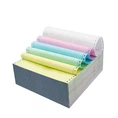
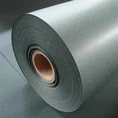
Thermal paper, as a special printing medium, is widely used in daily life due to its convenient printing method and real-time development characteristics, especially in fields such as cash receipts, label printing, and express delivery documents. However, the issue of whether thermal paper will fade after plastic sealing involves the imaging principle, material characteristics, and the impact of plastic sealing process on the stability of thermal images.
Principles of Thermal Paper Imaging
The reason why thermosensitive paper can display images after being heated is because its surface is coated with a thermosensitive coating containing a color developer and developer (usually an acidic catalyst). When the thermosensitive head heats this part of the coating, the color developer reacts chemically with the developer, forming black or other colored text and patterns on the paper. This process is irreversible, meaning that once an image is formed, it will not disappear through cooling.
Fading factor analysis
1. Light and temperature: Images printed on thermosensitive paper are easily affected by ultraviolet radiation and high temperatures, which accelerate fading. Long term exposure to sunlight or high temperature environments, even without plastic packaging, may gradually fade the image.
2. Humidity: A high humidity environment is also not conducive to the preservation of thermal paper images. Moisture may cause the paper to expand, affecting the clarity of the image, and may cause image blurring in the long run.
3. Plastic sealing material: The purpose of plastic sealing thermosensitive paper is to protect images from external environmental influences and extend their storage life. High quality plastic film can effectively isolate air, moisture, and light, which is theoretically beneficial for preventing fading. However, if the plastic packaging material contains certain chemical components that react with the thermosensitive coating, it may actually accelerate image fading or deformation.
4. Plastic sealing process: If the temperature is too high during the plastic sealing process, the color developer in the thermosensitive coating may be reactivated, causing changes in the image. In addition, if the plastic sealing is uneven and produces bubbles or wrinkles, the images in these areas may fade faster due to contact with air.
The effect of plastic packaging on the fading of thermosensitive paper
Overall, whether the heat sensitive paper fades after being sealed with plastic largely depends on the selection of the sealing material and the quality of the sealing process. Proper plastic packaging can significantly improve the durability of thermal paper images, but if operated improperly or made of unsuitable materials, it may actually have negative impacts. Therefore, choosing a plastic sealing film that is UV resistant, moisture-proof, and compatible with thermosensitive coatings, and ensuring that the temperature during the sealing process is moderate and the sealing is good, is the key to ensuring the long-term preservation of thermosensitive paper images.
In summary, the effectiveness of thermal paper plastic sealing in preventing fading is a result of multiple factors. The correct plastic sealing method and materials can significantly improve the quality of image preservation, but the possibility of fading cannot be completely ruled out, especially when stored for a long time. To maximize the retention of thermal printing information, it is recommended to use high-quality plastic packaging materials and store them in suitable environments, avoiding extreme temperature, humidity, and lighting conditions, to ensure the long-term clarity and readability of the images.